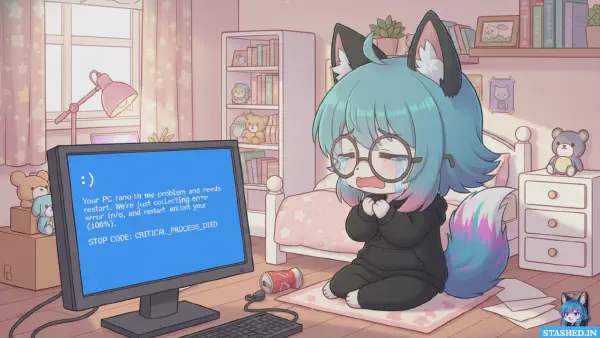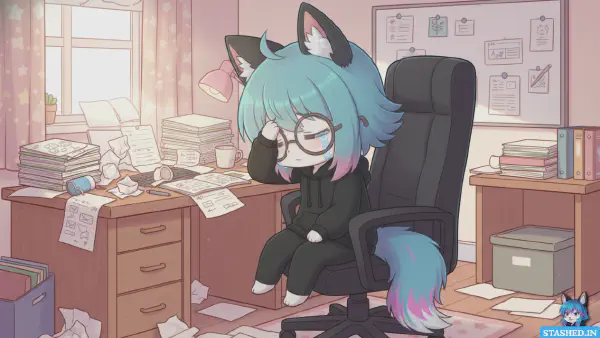
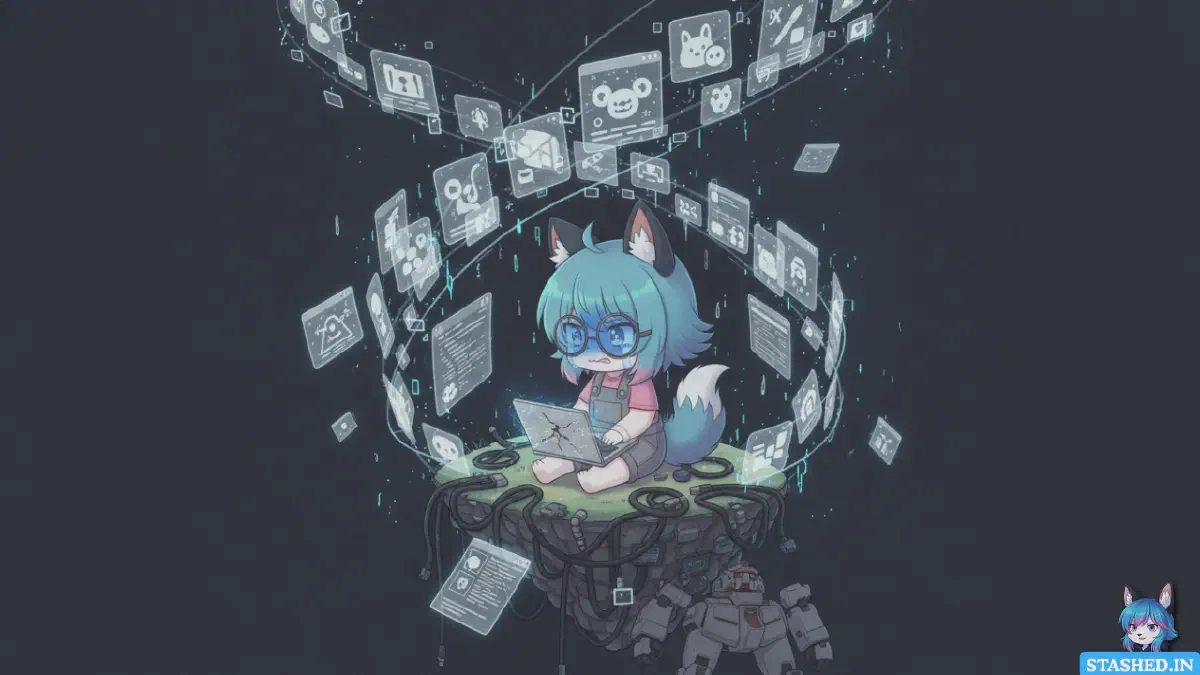
You know that feeling when your brain feels loud even though everything around you is quiet? That’s what digital clutter does. It’s the modern version of noise. Hundreds of files, thousands of photos, endless tabs, and notifications that never stop — each one demanding just a tiny sliver of your attention until your creativity runs out of room to breathe.
We tend to think of clutter as something physical, like a messy desk or overflowing drawer. But the truth is, your digital space is just as real to your brain. It’s your creative environment. And when it’s a mess, your thoughts are too.
Let’s talk about why your digital clutter might be quietly strangling your creativity, and how you can take control of it before it takes control of you.
1. Your Brain Treats Digital Mess Like Real Mess#
Neuroscience has been saying it for years: clutter — physical or digital — makes it harder for your brain to focus. When you have too many things competing for your attention, your mind keeps “context switching.” It’s like trying to draw while someone keeps changing the canvas every five seconds.
Every file on your desktop, every browser tab, every random “I’ll read this later” link takes up cognitive space. Even if you’re not consciously thinking about them, they’re running in the background like too many apps on an old phone.
Clean digital spaces free up mental RAM. That’s when creativity starts flowing again.
2. Endless Tabs Are Creativity Black Holes#
If you constantly have 25+ tabs open, your brain is in “search” mode, not “create” mode. It’s stuck scanning, scrolling, comparing. You’re grazing on ideas instead of digesting them.
Creative thinking thrives when you close the loops in your mind. That means finishing things — or at least storing them safely somewhere so your brain doesn’t have to hold them.
Try using stashed.in for this. It’s like a visual memory palace for the internet. Save links, tag them, organize them into boards, and close the tabs guilt-free. You can return when inspiration hits, without losing the gems you found.
3. File Chaos = Creative Block#
There’s nothing more demotivating than trying to start a new project and realizing your files are scattered across a dozen folders called “misc,” “random stuff,” and “old versions.” You spend half an hour looking for that one photo or PDF instead of building something.
Creativity needs momentum, and nothing kills momentum like a 20-minute search for “finalfinal_realcover_v2.psd.”
The fix is simple: build a naming system and stick to it. Label files by project and date. Example:ClientName_Project_2025-10.psd
It takes five seconds and saves hours of frustration later.
4. Notifications Fragment Your Focus#
Every ping, every badge, every unread icon, it’s like a tiny tap on the shoulder saying “Hey, look at me.” Even if you don’t check it, your brain registers it. That micro-interruption is enough to derail creative flow.
When you’re creating, writing, designing, brainstorming, turn off notifications completely. Set your phone to Do Not Disturb. Log out of Slack. You can’t make something beautiful if your attention is being auctioned off to the highest bidder.
5. The Myth of “Organized Chaos”#
You might think you work best in chaos. That the mess is part of your “creative process.” Maybe you’ve convinced yourself that the 200 tabs, random files, and notes everywhere are signs of genius.
They’re not. They’re friction.
What’s really happening is that your brain is constantly running small background tasks to keep track of everything. You’re juggling data, not ideas. True creativity happens when your brain has space to wander, connect, and imagine, not when it’s busy remembering where you saved that reference image.
6. Multitasking is a Creative Killer#
Research shows that multitasking lowers IQ temporarily. It also increases stress and reduces creativity. You’re not doing more you’re just switching faster between things and doing all of them worse.
The creative process requires deep focus. When you’re building something new, your brain needs uninterrupted time to explore connections. If you’re jumping between tabs, chats, and email, you’re never giving your mind the silence it needs to make something original.
Batch your tasks. Work in focused blocks. And when you’re creating, do nothing else.
7. Your Notes App is a Graveyard of Lost Ideas#
We all have that one notes app full of random quotes, half-written ideas, and fragments of genius that never saw the light of day. The problem isn’t that you have too many ideas. It’s that you have no system for resurfacing them when you need them.
Organize your notes by theme or project. Better yet, connect them with context — link them together. If you save articles or research links, stash them visually using stashed.in so you can see your idea clusters. Creativity often sparks when unrelated things collide.
8. Creative Energy is Finite — Don’t Waste It on Searching#
Every time you dig through folders, retype passwords, or scroll through history trying to find “that one site,” you’re draining creative fuel. Decision fatigue isn’t just about choosing what to eat — it applies to digital choices too.
Streamline your workflow. Use automation, naming conventions, and central hubs for storage. The less energy you spend on finding stuff, the more you have for making stuff.
9. The Paradox of Inspiration Overload#
The internet gives you access to endless inspiration. But endless inspiration can lead to paralysis. When you’re drowning in references, it’s hard to hear your own voice.
Curate your digital diet. Follow fewer creators, read fewer newsletters, and be intentional about what you consume. Use stashes or collections to save only what genuinely resonates. Inspiration should feed you, not flood you.
10. How to Detox Your Digital Life (Without Deleting Everything)#
A full purge isn’t realistic. You don’t have to wipe your drive clean and start over. Just reduce the noise gradually.
Here’s a quick digital detox routine you can actually keep up with:
- Spend 15 minutes each day cleaning your desktop or phone screen
- Unsubscribe from 5 emails every week
- Close all tabs at the end of your workday
- Stash links or ideas you want to keep in one place
- Review your files once a month and archive old ones
Small, consistent actions are better than a one-time “clean everything” sprint that you’ll abandon in two weeks.
11. Creativity Lives in Empty Space#
Ever notice how your best ideas show up in the shower, on a walk, or when you’re doing nothing? That’s because your brain needs emptiness to connect dots.
Digital clutter robs you of that emptiness. It fills every gap with noise, distractions, and micro-decisions. When you declutter your digital world, you’re not just getting organized, you’re creating space for new ideas to land.
12. The Tools That Make It Easier#
Minimalism is hard without the right tools. Here’s a few worth trying:
- stashed.in – your link brain. Collect everything interesting you find online, organize them visually, and rediscover them later when you’re creating.
- Notion or Obsidian – for connecting notes and tracking projects
- CleanMyMac / CCleaner – for keeping your device from turning into digital junk drawers
- Google Drive or Dropbox – but pick one and stick with it
Don’t use ten tools when three can do the job. Tool overload is its own form of clutter.

13. Learn to Let Go#
You don’t need to save every idea, every file, or every photo. Most things you never revisit anyway. Letting go is part of the creative process. When you delete digital noise, you make room for new thoughts to grow.
If you’re scared of losing something valuable, store it safely and intentionally, not buried in chaos. Stash it. Label it. Then forget about it until it’s actually useful again.
14. The Clutter-Free Creative Mindset#
Digital minimalism isn’t about being perfect. It’s about building habits that protect your attention.
Creative people are naturally curious. You collect things - ideas, visuals, snippets, concepts. That’s part of your gift. The trick is to build a system that holds your curiosity without letting it drown you.
When you open your laptop, you should feel inspired, not overwhelmed. You should want to create, not organize.
That’s what a decluttered digital space gives you: mental breathing room.
Final Thoughts#
Digital clutter doesn’t scream. It whispers. It chips away at your focus and hides behind productivity apps. But when you finally clear it, when your folders, tabs, and tools are streamlined, you’ll feel the difference instantly.
You’ll think clearer. You’ll create faster. You’ll actually finish the things you start.
So take this as your sign. Spend a weekend cleaning your digital life. Build simple systems. Let go of what’s weighing you down. And when you stumble across something online that’s worth keeping, stash it where it belongs — stashed.in.
Because your ideas deserve better than getting lost in digital dust.
When your mind isn’t busy remembering, it can finally start imagining again.