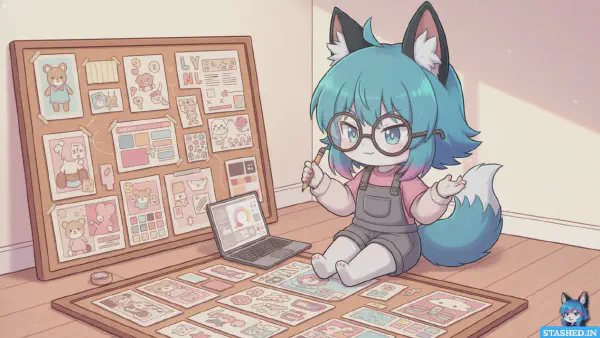
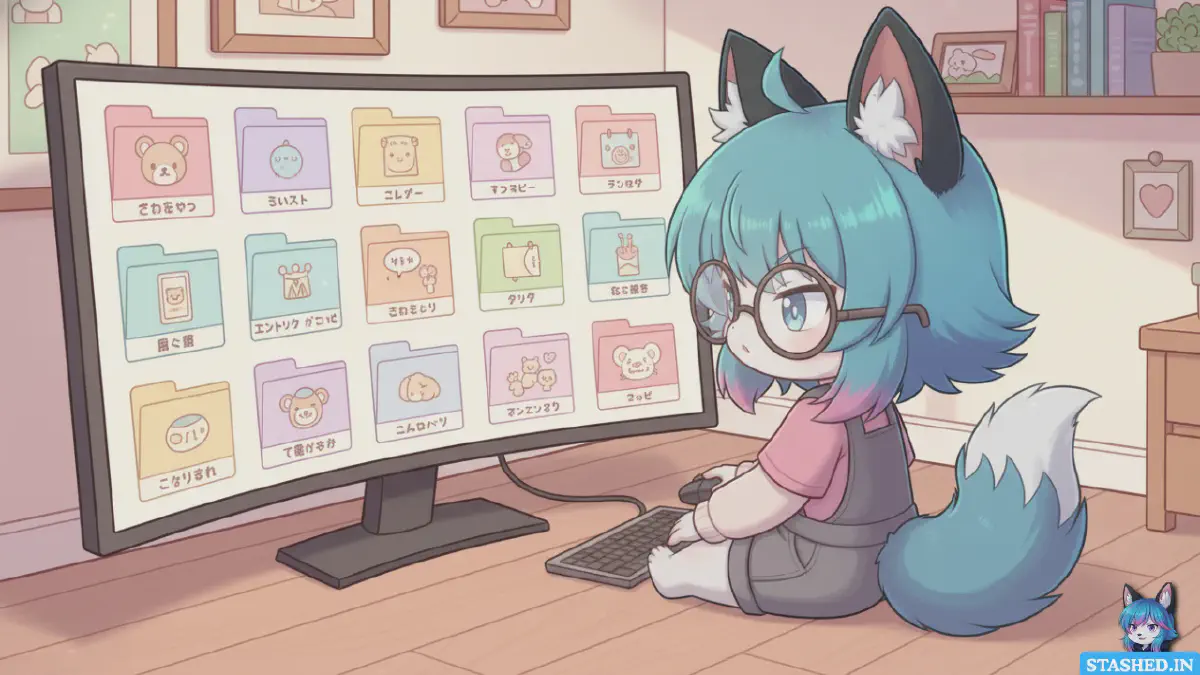
Move over, browser bookmarks. The generation that grew up with smartphones in their hands is completely reimagining how we save, organize, and interact with online content. While millennials were busy perfecting the art of the carefully curated bookmark folder, Gen Z was quietly building an entirely new paradigm for digital curation - one that’s more dynamic, visual, and social than anything we’ve seen before.
The Death of the Traditional Bookmark#
To understand how Gen Z is changing the game, we first need to acknowledge why traditional bookmarks failed them:
- Static in a Dynamic World: Browser bookmarks were designed for a web of static pages, not the app-driven, algorithm-fed internet of today
- No Context or Memory: A simple title and URL don’t capture why something was important
- Isolated Experience: Bookmarking has always been a solitary activity in an increasingly connected world
- No Visual Cues: In an era of visual communication, text-based bookmarks feel archaic
Gen Z, the first true digital natives, grew up with these limitations and decided to build something better. The result? A fundamental reinvention of what it means to “bookmark” in the digital age.
The 5 Ways Gen Z is Reinventing Bookmarks#
1. From Folders to Visual Collections#
The Old Way: Nested folders with text labels The Gen Z Way: Visual boards and mood boards
Platforms like stashed.in, Notion, and even TikTok’s saved collections demonstrate this shift. Instead of text lists, Gen Z organizes content visually, creating digital mood boards that capture the essence of why something was saved.
Example: A Gen Z user might have a collection called “Vintage Tech Aesthetic” with screenshots, product links, and articles, all presented in a visually cohesive way that instantly communicates the theme.
2. From Private to Social Curation#
The Old Way: Private bookmarks hidden in browser menus The Gen Z Way: Public, shareable collections with community features
Gen Z treats curation as a form of self-expression and community building. They’re not just saving links, they’re creating shareable playlists of the internet.
The Numbers:
- 78% of Gen Z regularly shares curated content collections with friends
- 62% have discovered new interests through others’ public collections
- 54% say they judge people’s personalities by their public saves
3. From Manual to Automated Curation#
The Old Way: Manually saving each link The Gen Z Way: AI-powered auto-collections and smart tags
Gen Z expects their tools to work for them. They’re using platforms that automatically categorize saves, suggest related content, and even predict what they might want to save next.
stashed.in Feature Spotlight: The platform’s AI analyzes saved content and automatically suggests relevant tags, related articles, and even creates smart collections based on usage patterns.
4. From Permanent to Ephemeral Saves#
The Old Way: Saving things “forever” The Gen Z Way: Temporary collections with built-in expiration
Inspired by Stories culture, many Gen Z users create temporary collections for specific projects or moods, then let them expire when they’re no longer relevant.
Case Study: A college student creates a “Finals Week” collection with study resources, motivational quotes, and stress-relief videos. After finals, the collection auto-archives, keeping their digital space clean.
5. From Passive Saving to Active Engagement#
The Old Way: Save and forget The Gen Z Way: Save, remix, create
Gen Z doesn’t just consume content, they remix it. Their bookmarking tools include features for annotation, highlighting, and even content creation based on saved items.
Example: Using stashed.in’s annotation features, a Gen Z user might save an article, highlight key quotes, add their own thoughts, and then export the whole thing as a blog post or social media thread.
The Psychology Behind the Shift#
Understanding why Gen Z approaches bookmarking differently requires looking at their unique digital upbringing:
1. Digital Natives, Analog Refugees#
Gen Z never knew a world without the internet. They don’t separate “online” and “offline” life, so their tools need to reflect that fluidity.
2. The Attention Economy Generation#
Growing up with endless content has made Gen Z ruthless curators. They’ve developed sophisticated filtering mechanisms and have little patience for tools that waste their time.
3. The Rise of Visual Literacy#
With platforms like Instagram and TikTok, Gen Z has developed a highly refined visual language. Text-heavy interfaces feel outdated to them.
4. The Community-First Mindset#
Unlike previous generations who saw the internet as a place to consume, Gen Z sees it as a place to participate and belong. Their tools reflect this communal approach.
The Tools Powering the Revolution#
1. stashed.in#
Why Gen Z Loves It:
- Visual-first interface
- Built-in collaboration features
- Smart tagging and categorization
- Seamless cross-device syncing
Gen Z Use Case: Creating shared collections for group projects that combine links, notes, and media in one place.
2. Notion#
Why Gen Z Loves It:
- Infinite customization
- Database functionality
- Integration with other tools
- Aesthetic flexibility
Gen Z Use Case: Building personal knowledge bases that combine saved links with original notes and media.
3. Pinterest (Yes, Still)#
Why Gen Z Still Uses It:
- Visual discovery
- Mood board capabilities
- Niche communities
- Shopping integration
Gen Z Use Case: Curating aesthetic inspiration for everything from fashion to home decor to personal branding.
The Business of the New Bookmarking#
This shift isn’t just cultural—it’s creating new business opportunities:
1. The Rise of the Curation Economy#
Platforms that help users curate and share content are booming. Gen Z is willing to pay for tools that help them organize their digital lives in ways that feel authentic.
2. Data Privacy as a Feature#
Unlike older generations, Gen Z is deeply concerned about privacy. Tools like stashed.in that prioritize user control over data are winning their trust.
3. Integration Over Isolation#
Gen Z expects their tools to work together seamlessly. The most successful platforms offer robust APIs and integration capabilities.
The Future of Bookmarking: Predictions for 2026 and Beyond#
AI-Powered Contextual Recall
- Your tools will surface relevant saved content based on what you’re working on
- Imagine writing an email and having relevant bookmarks appear as suggestions
Immersive Collections
- VR/AR interfaces for navigating saved content
- Spatial organization of digital resources
Decentralized Curation
- Blockchain-based systems for verifiable, user-owned collections
- Ability to follow others’ curation patterns without platform lock-in
Multimodal Search
- Search your saved content using natural language, images, or even sketches
- “Find that article with the blue diagram about neural networks”
Proactive Curation
- Tools that learn your interests and automatically save relevant content
- Predictive organization that adapts to your changing needs
How to Adopt Gen Z’s Approach to Bookmarking#
For Individuals:#
Start Visual
- Use tools that let you see your saved content at a glance
- Create mood boards for different projects or interests
Make It Social
- Share your collections with friends or colleagues
- Follow others with similar interests
Embrace Impermanence
- Create temporary collections for short-term projects
- Regularly review and archive what you no longer need
Add Context
- Always include notes about why you saved something
- Tag and categorize as you go
For Businesses:#
Meet Them Where They Are
- Support the tools Gen Z already uses
- Create content that’s easily shareable and savable
Think Beyond the Link
- Design content with visual saving in mind
- Create embeddable, interactive elements
Respect Their Privacy
- Be transparent about data collection
- Offer real value in exchange for engagement
The Bigger Picture: What This Means for the Internet#
Gen Z’s approach to bookmarking reflects broader shifts in how we interact with information:
From Ownership to Access
- Less about hoarding links, more about knowing how to find what you need
From Individual to Collective Intelligence
- The wisdom of the crowd shapes what gets saved and shared
From Static to Fluid Organization
- Categories and tags give way to dynamic, evolving systems
From Consumption to Creation
- Saving is just the first step in a creative process
Conclusion: The Bookmark Reimagined#
Gen Z hasn’t just changed how we save links, they’ve redefined what it means to engage with digital content. In their hands, bookmarking has evolved from a utilitarian function to a form of self-expression, community building, and even art.
As the rest of us play catch-up, one thing is clear: the future of digital organization is visual, social, and deeply personal. And for businesses, creators, and internet users of all ages, understanding this shift isn’t just interesting, it’s essential.
The next time you go to bookmark something, ask yourself: Am I just saving a link, or am I curating my corner of the internet? The difference might just change how you interact with the digital world.
Your Turn: How has your approach to saving online content changed in recent years? Share your thoughts and favorite tools in the comments below.