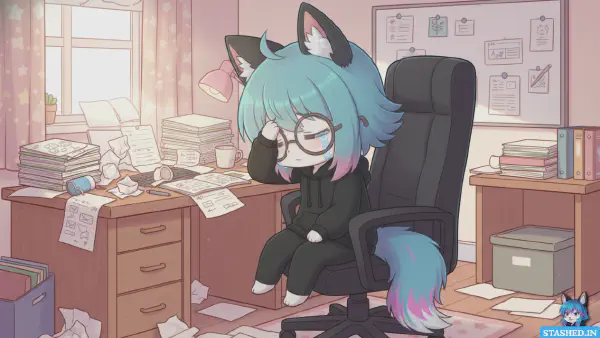
If you’ve ever tried to find that one Dribbble shot you saved six months ago or the perfect typography reference buried in your “inspiration” folder, you already know - creative organization online is chaos disguised as curation.
Designers live in a constant flood of inspiration. We scroll through Behance, Pinterest, Reddit, Tumblr, Are.na, Twitter (or whatever it’s called this month), and dozens of Discord servers filled with amazing, fleeting visual ideas. The problem isn’t inspiration, it’s what happens after we collect it.
For many of us, our digital moodboards look like the inside of a designer’s brain at 3 AM: full of potential, completely nonlinear, and impossible to navigate.
So how do designers actually organize their inspiration boards online? And more importantly, how can we do it in a way that doesn’t crush the creative spark under the weight of a thousand tabs?
The Infinite Moodboard Problem#
Designers are natural collectors. We hoard images, textures, type specimens, color palettes, screenshots of random buttons, pieces of motion graphics, anything that feels right.
But unlike physical sketchbooks or studio walls, our digital collections don’t have edges. There’s no wall space limit. So we keep adding.
Our Pinterest boards grow endlessly. Our folders multiply like gremlins. Our Notion databases turn into visual spreadsheets that we swear we’ll “clean up later.”
But infinite space comes with a cost: infinite friction. The more inspiration we save, the harder it becomes to actually find or use it.
Designers don’t struggle to gather inspiration, we struggle to give it structure.
The Way We Used to Do It#
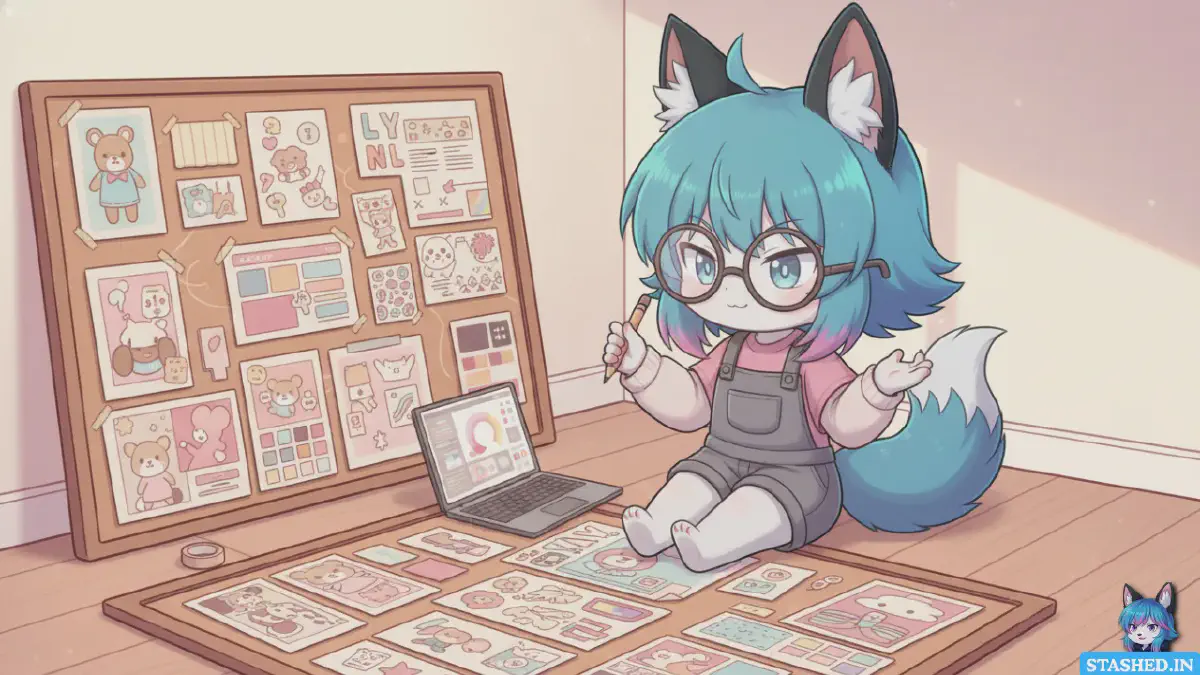
Before everything moved online, inspiration was tactile. We printed things out, pinned them to corkboards, kept folders full of clippings and sketches.
There was a natural rhythm to it.
When you ran out of space, you edited.
That constraint was valuable. It forced you to refine your taste, to keep only what truly resonated.
Now, with unlimited digital storage, we can collect endlessly without ever confronting what’s actually meaningful. We’ve replaced creative curation with digital accumulation.
And it’s silently suffocating our design process.
Designers’ Modern Tools of Choice#
If you peek into a designer’s workflow today, you’ll probably see a mix of tools being used as impromptu inspiration vaults:
- Pinterest – still the easiest for moodboarding, but limited in tagging and real organization.
- Are.na – the minimalist’s choice, built for slow thinking and quiet curation.
- Notion – endlessly customizable, but it often turns into a productivity spreadsheet instead of a creative playground.
- Figma boards – perfect for project-specific visual references, though not great for storing long-term inspiration.
- Milanote – for designers who want that “real-world wall” feeling in a digital space.
- Stashed.in – for visual thinkers who prefer a balance between structure and serendipity, letting links feel like visual cards rather than buried bookmarks.
Each tool speaks to a different creative mindset. Some designers crave visual clarity, others crave flexible data. The trick is finding the one that supports your thinking process, not just your filing system.
Curation as a Creative Skill#
The best designers don’t just collect, they curate.
Inspiration boards aren’t just about storage; they’re about storytelling. The way you group visuals can reveal patterns, inform concepts, and shape a project’s aesthetic direction.
Good curation isn’t about having more, it’s about context.
A folder full of 500 random UI screenshots means nothing. But a stash of 20 carefully selected references with notes about why you liked them becomes a visual narrative. It turns inspiration into insight.
This is why platforms like stashed.in are gaining traction among designers, they focus less on “saving links” and more on building personal ecosystems of creative reference. Instead of flat lists, you create stashes mini-worlds of visual thought. You can collect links, images, snippets, even entire articles, all visually displayed and organized by project or theme.
It’s what a modern inspiration board should feel like: structured, beautiful, and easy to revisit.
Visual Systems That Actually Work#
Most designers I know fall into one of three organization styles: 1. The Archivist – Loves taxonomy. Every piece of inspiration has tags, folders, metadata. They could tell you the exact hex code of a texture they saved in 2018. 2. The Wanderer – Organizes nothing. Inspiration lives in tabs, screenshots, and chaos. Their creativity thrives on discovery, not order. 3. The Hybrid – Tries to balance chaos and control. They curate moodboards for each project but also keep a living archive of recurring themes.
No style is wrong. But whichever camp you fall into, your system should work with your creative flow, not against it.
Here’s a trick I learned: separate your input from your output.
Use one place (like Pinterest or an “inbox” board in stashed.in) to capture raw ideas quickly. Then, periodically review and move the ones that truly resonate into curated collections. That act of review filters noise from meaning.
The Power of Revisiting#
Inspiration isn’t a one-time thing. It evolves.
What speaks to you today might feel irrelevant tomorrow and vice versa.
That’s why revisiting your collections is essential. Go through them every few months, delete what no longer sparks curiosity, and recontextualize what still does.
Think of it as tending a digital garden.
Tools like stashed.in make this easy because they treat your saved links as living collections rather than static lists. You can reorder, visually tag, and build small creative ecosystems that reflect your evolving style.
Revisiting isn’t just about organization, it’s about self-discovery. You start noticing patterns: recurring shapes, colors, typography styles. That’s your subconscious design language revealing itself.
The Balance Between Inspiration and Action#
Every designer knows the trap of endless inspiration. You start collecting ideas for a project, and before you know it, you’ve spent hours scrolling, saving, and refining, without actually creating anything.
Inspiration should be a starting point, not a substitute for work.
That’s why a well-organized inspiration system matters. It shortens the gap between idea discovery and execution. When you can quickly pull references, mix them, and experiment, creativity stays fluid.
A good system doesn’t slow you down; it accelerates you.
From Collection to Creation#
When you zoom out, organizing inspiration isn’t just a productivity hack. It’s a creative philosophy.
It’s about moving from passive consumption to active synthesis. From “this looks cool” to “this connects with what I’m building.”
Designers who master this shift are the ones who stop drowning in visuals and start producing original work.
And the tools we use. Whether it’s stashed.in, Are.na, or a homemade folder system, should amplify that process, not clutter it.
Because the truth is, creativity doesn’t come from how much inspiration you collect. It comes from how you connect it.
The Future of Digital Moodboards#
The next generation of creative tools won’t just store your inspiration, they’ll help you think with it.
Imagine collections that understand your design patterns, auto-tag themes, or visually link similar aesthetics across your stashes. Imagine seeing your evolving taste as a living, visual map.
That’s where platforms like stashed.in are quietly heading, rethinking how creatives interact with their digital archives, not as static folders but as dynamic, expressive spaces for creative exploration.
As the boundaries between collecting and creating blur, inspiration will stop being something we save, and start being something we design.
And maybe that’s the most exciting shift of all.